Level Pegging: Why the Draw Deserves a Second Look in Asian Handicap Markets
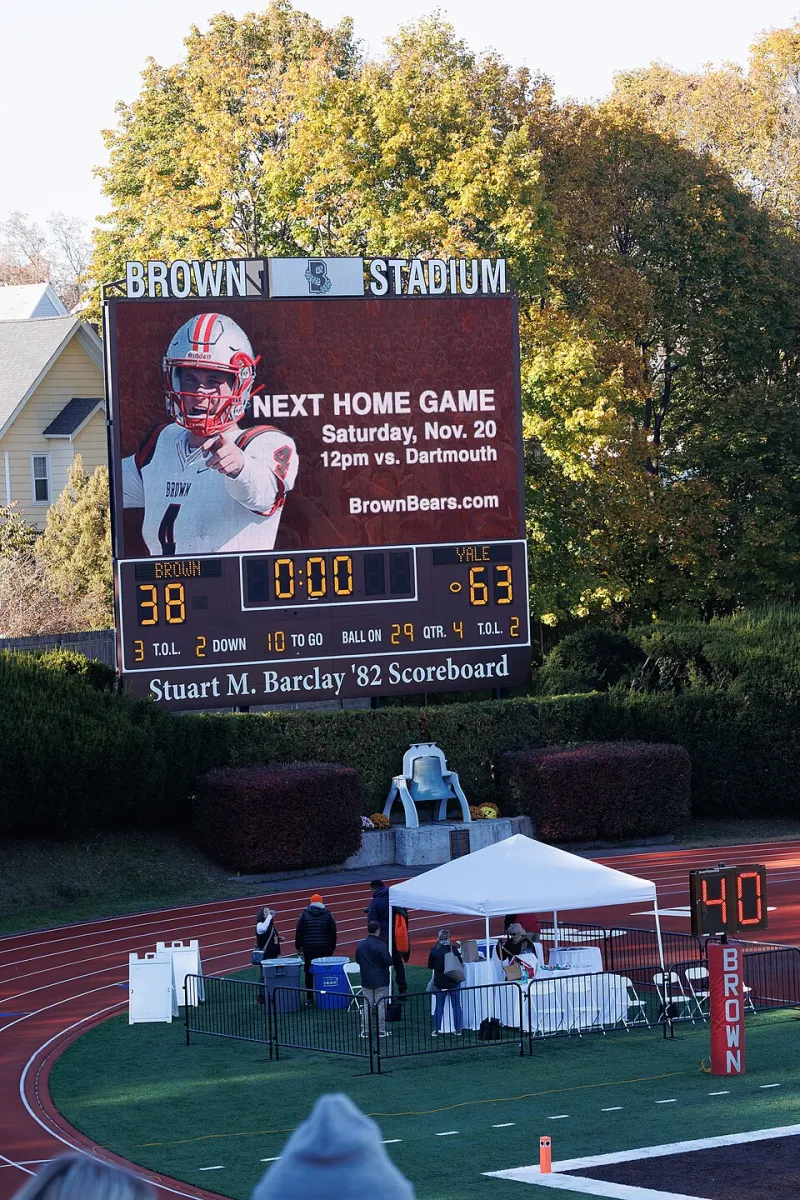
Photo: Kenneth C. Zirkel, CC BY-SA 4.0, via Wikimedia Commons
Ask a room of Aussie footy fans what they reckon about the draw and you will get the same look you get when you mention a nil-all in the A-League. Technically a result. Practically a letdown. That instinct follows plenty of punters straight into Asia-Pacific football markets, and it quietly costs them money. Because in the Asian handicap world, the draw is not an afterthought. It is load-bearing.
The Aussie Blind Spot
Australian sport trains us to think in winners. Cricket has results, the AFL has a ladder, the NRL has a premiership. A draw in the footy is an oddity you shrug at on the way to the car park. So when we open an Asia-Pacific book and see Asian handicap lines listed alongside the usual 1X2, the natural move is to pick a side and forget the level score exists.
Bookmakers on this side of the region know that. It is one of the reasons the draw is priced so carefully in Asian markets, and one of the reasons pricing gaps appear when Aussie books copy the numbers without the same depth of market behind them.
How Asian Handicap Actually Treats the Draw
Here is the thing that trips people up. On a level-ball Asian handicap line, the 0.0 handicap, a draw is not a loss. It is a push. Your stake comes back. No win, no loss, just a shrug and a return to the wallet.
That single rule changes the maths completely. If you back a side at 1X2 and they draw, you lose. If you back the same side on a 0.0 Asian line and they draw, you break even. The odds are shorter, obviously, but the risk profile is not the same animal at all.
For matches where you genuinely think it is a coin flip with a decent chance of finishing level, the level-ball line is often the smarter expression of the same opinion. You are still backing your team. You are just refusing to hand over your stake for the privilege of being right by zero goals.
Quarter Lines: Where the Maths Gets Fuzzy
The 0.25 line, sometimes called the quarter ball, is where a lot of Aussie punters get lost. And fair enough. It splits your stake in half. Half goes on the 0.0 line, half goes on the +0.5 line.
If the match ends level on a +0.25 handicap, half your stake pushes and the other half wins. So you do not collect the full payout, but you do not lose either. It is a softer landing than a straight loss, and it is priced accordingly.
The trick is that quarter lines blur the result. A punter who does not read the line properly will see +0.25 and assume it works like a normal handicap. Then a draw lands, the payout is smaller than expected, and they feel robbed. They were not robbed. They just did not read what they were buying.
Before you click, work out exactly what happens to your money if the game finishes level. If you cannot answer that in one sentence, back out and look again.
Draw No Bet: The Quiet Cousin
Draw no bet is the market everyone forgets. It does exactly what the label says: your stake goes back to you if the game ends in a draw.
Asian books have been building draw-no-bet logic into their handicap pricing for years, and the implied numbers usually sit close to the 0.0 handicap. But not always. And that is where an edge can hide.
Compare the draw-no-bet price for a side against the price you would get by backing them on the level-ball Asian line. Compare both against the 1X2 draw price. When those three numbers drift out of alignment, someone is off. Usually it is the book that copied the Asian line in a hurry and did not adjust the rest of the board.
Reading the Line, Not the Ladder
Here is a habit worth building. Stop looking at the handicap as a prediction of the scoreline and start looking at it as a set of implied probabilities.
A 0.0 line with the favourite at short odds tells you the market thinks the game is close but the stronger side has the edge. A 0.0 line with near-even prices on both sides tells you the market thinks the draw is live. In Asia-Pacific football, where low-scoring games, disciplined defensive structures and a bit of heat-driven caution are part of the furniture, the draw gets more respect from the market than it does from the average Aussie punter.
That gap between market respect and punter disrespect is where value lives. When the crowd writes off a 0-0 before kick-off, the price on the level result is not always efficient.
Where To Actually Look
Start with competitions where draws are structurally common. Second-tier Asian leagues, cup ties between mismatched sides, and any fixture with a tight goalless history between the two clubs. Then check the Asian market against your local Aussie option. When the draw price in Asia sits longer than it should relative to the handicap, the level-ball line becomes the cleanest way to take a position.
The other angle is the in-play window. When a match is 0-0 at the hour mark, the draw price on Asian books often shortens faster than the level-ball handicap adjusts. If you are watching and you know the line, there are moments to get on before the market catches up.
A Word On Discipline
None of this makes the draw a guaranteed earner. It is a market, not a magic trick. A draw-friendly approach needs volume and patience, and the biggest mistake is doubling down after a run of late goals that turned your pushes into losses.
Treat the level score as a genuine outcome worth pricing, back your read, and check what your ticket actually pays if the game finishes 0-0. That alone puts you ahead of the majority of Aussie punters wandering into Asian handicap markets with a winner-only mindset.
The draw is not a dirty word. It is just a market most people never bothered to read.